
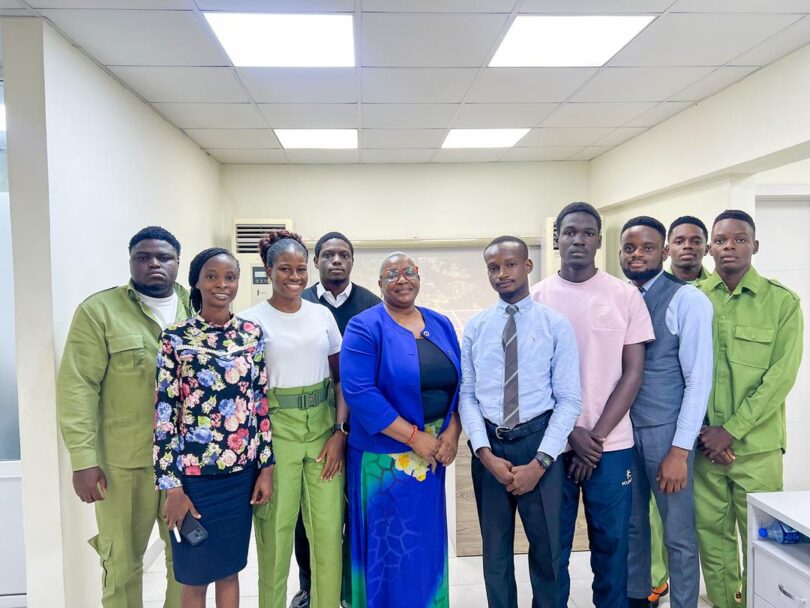
In a bold call that underscores growing concerns about Nigeria’s workforce readiness, JMG Limited has urged stronger collaboration between government, industry players, and academic institutions to equip young Nigerians with critical, future-ready skills.
The company made this call as the world marks World Youth Skills Day 2026, themed “Skills for a Shared Future,” a campaign spotlighting the urgent need for technical, digital, artificial intelligence, green, and soft skills in a rapidly evolving global economy.
JMG, however, did not stop at advocacy. The company highlighted its own interventions, positioning itself as an active player in bridging Nigeria’s widening skills gap. In March 2026, it hosted engineering students from the University of Lagos at its Gbagada facility, offering them firsthand exposure to industrial processes during a World Engineering Day tour.
In a similar move, science students from Wellspring College were also granted access to the facility during Children’s Day celebrations, where they were introduced to real-life engineering systems, production workflows, and operational procedures—an initiative aimed at translating classroom theory into practical industry knowledge.
Speaking on the development, JMG’s Chief Human Resources Officer, Gloria Ibeziako, stressed that Nigeria risks falling behind if deliberate investments in youth skills are not accelerated.
“The future of every economy depends on the quality of its people,” she said, warning that rapid technological disruption demands a workforce equipped not just with academic knowledge, but with digital, problem-solving, and collaborative competencies.
She further noted that while technology is reshaping industries, it is simultaneously opening new doors for young Nigerians willing to adapt, innovate, and continuously learn.
Ibeziako also challenged corporate organisations to move beyond profit-making and take responsibility for talent development through mentorship, technical training, and workplace exposure.
Her remarks come amid growing criticism that Nigeria’s education system remains largely disconnected from industry realities, leaving graduates ill-prepared for modern job demands.
JMG insists that closing this gap is not optional but essential, describing skills development as a direct investment in national economic survival.
“By nurturing an innovative, adaptable and future-focused workforce, we are laying the foundation for stronger industries and long-term prosperity,” she added.
As pressure mounts on both public and private sectors, JMG’s position reinforces a critical message: without urgent, coordinated action, Nigeria risks producing graduates for jobs that no longer exist, while industries struggle to find talent for those that do.