Kwara State has launched the Kwara State Livestock Entrepreneurship Scheme (KWALES), a new programme positioned as a structured pathway to turn livestock farming into a commercially viable enterprise, with direct financing and market access built into its design.
The initiative, unveiled by the state government through the Ministry of Livestock Development, signals a deliberate shift from subsistence agriculture to an enterprise-led model that prioritises scale, productivity, and income generation. According to the Commissioner for Livestock Development, Oloruntoyosi Thomas, the scheme is designed to create wealth, improve food security, and strengthen Kwara’s position in Nigeria’s livestock value chain.
“KWALES is a government initiative designed to empower youth and women by creating sustainable livestock businesses,” Thomas said, noting that the programme targets inclusion while addressing structural gaps that have limited growth in the sector.
Rather than focus on classroom-based training alone, the scheme integrates hands-on learning, mentorship, and access to capital. The state is positioning participants not just as farmers but as operators within a structured value chain, with the expectation that they will build scalable businesses capable of employing others.
Thomas said the programme adopts climate-smart agricultural methods alongside value-chain development strategies. “This initiative focuses on modern, climate-smart agriculture and value-chain development to enhance food security and stimulate economic growth,” she stated.
KWALES is structured around two pillars — Women in Livestock and Youth in Livestock — both aimed at deepening participation among demographics often excluded from formal agribusiness opportunities. The design reflects a broader policy direction to expand economic inclusion while driving productivity.
“The scheme is built around two major pillars, Women in Livestock and Youth in Livestock, both designed to deepen inclusion and productivity in the sector,” she said, adding that the emphasis remains on practical capacity building. “KWALES focuses on practical skills rather than just training, with the aim of building a commercial and sustainable livestock sector in the state.”
At rollout, the programme will prioritise three segments considered high-value and scalable: Black Soldier Fly production, beekeeping for honey, and small ruminant rearing. These areas were selected based on their market demand, relatively low entry barriers, and potential for rapid expansion.
A key feature of the scheme is its built-in market linkage. The state government disclosed that it has secured off-take agreements to absorb production output, reducing the risk typically associated with agricultural ventures.
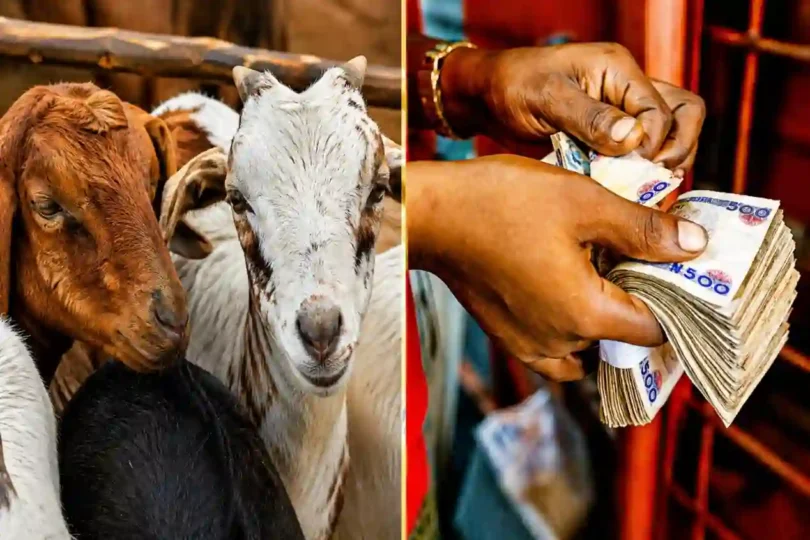
“We have secured off-takers who are ready to take up to 400,000 goats and sheep daily, as well as another partner that will off-take 100 swine daily,” Thomas said. She added that the government is already scaling production capacity to meet the projected demand.
“We are working round the clock to strengthen producers’ capacity, especially among women and youths, to meet these daily demands. The government will shoulder capacity development by providing logistics and necessary support to ensure beneficiaries receive the required training,” she said.
On financing, the state has partnered with FCMB and Jaiz Bank to provide loans at single-digit interest rates, addressing one of the biggest barriers to entry for small-scale livestock entrepreneurs.
“We have partnered with FCMB and Jaiz Bank to provide access to finance for beneficiaries at single-digit interest rates,” Thomas said.
Stakeholders have described the initiative as a practical intervention with strong commercial logic. Olaribigbe Tajudeen of AdunGreen Foundation highlighted the inclusion of Black Soldier Fly production as a significant innovation.
“The introduction of Black Soldier Fly as a flagship feature offers a climate-smart approach that converts organic waste into affordable, high-quality protein feeds for livestock,” he said, noting that it could reduce feed costs and improve sustainability across the value chain.
Other stakeholders, including the Special Assistant to the President on Livestock Development, Richard Mark Mbaram; Director General of the Nigeria Agribusiness Group, Jafar Abubakar Umar; and agribusiness expert Dr Adefunke Afolabi, said the scheme provides a structured platform for building youth-led enterprises.
They noted that KWALES could serve as a model for integrating financing, training, and market access in a way that supports long-term growth of Nigeria’s livestock sector while positioning Kwara as a competitive hub within the industry.
What do you think about this?
Drop your opinion in the comment section.
FOLLOW US & Share this with someone who needs to see this.