Lagos needs climate investment that can sustain waste collection and treatment services long after new facilities are commissioned, Special Adviser to the Lagos State Governor on Environment and Water Resources, Muyiwa Gbadegesin, has said….
Lagos needs climate investment that can sustain waste collection and treatment services long after new facilities are commissioned, Special Adviser to the Lagos State Governor on Environment and Water Resources, Muyiwa Gbadegesin, has said.
Gbadegesin made the case in a post marking Climate Week NYC, stressing that investment discussions should give as much attention to the cost of running waste services as they do to constructing new facilities.
He said the key question for Lagos was how investment could keep organic waste out of uncontrolled disposal on a consistent basis.
“Construction funding alone does not answer those questions,” Gbadegesin said, asking who would pay collection crews, replace failed equipment and cover operating costs when service payments were delayed or revenues fell below projections.
He noted that food and other organic waste could release methane when decomposed without oxygen, making proper collection and treatment important in efforts to reduce emissions.
Gbadegesin said preventing food waste should remain the priority, but unavoidable organic residues required reliable collection and properly managed treatment.
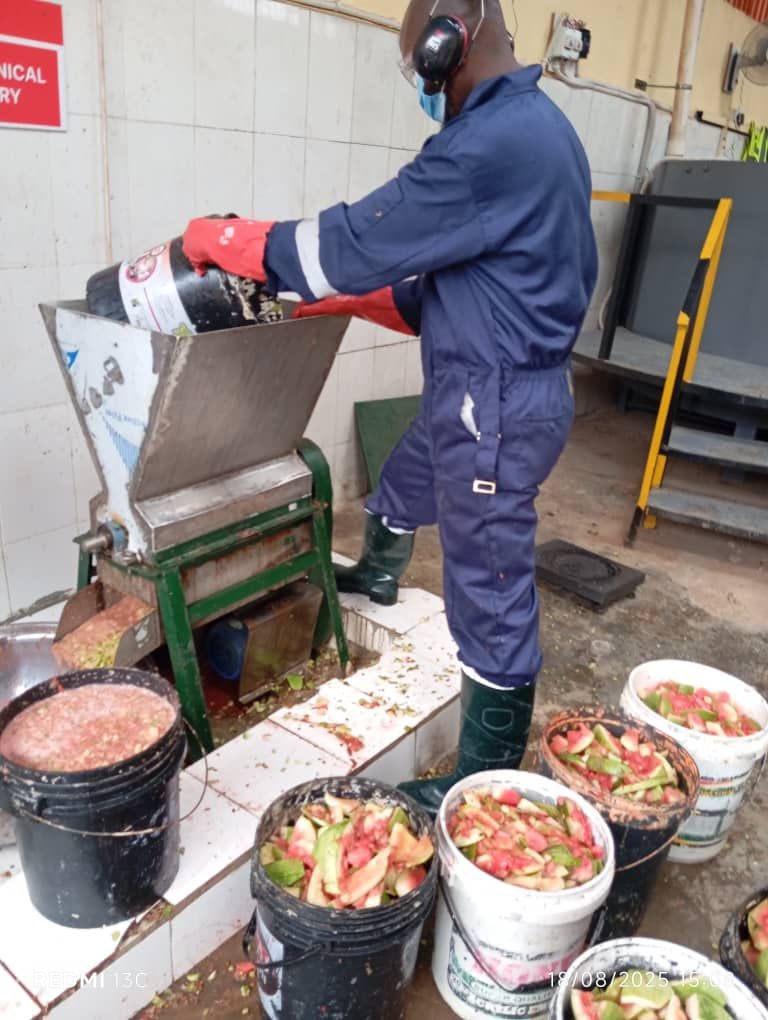
He cited the biogas project at Ikosi Fruit Market, where fruit waste is prepared for treatment, as a local example of the type of intervention being discussed.
The project is supported by C40 Cities and UK government funding.
According to Gbadegesin, successful waste-to-energy or biogas facilities require a consistent supply of suitable waste, with plastics and other contaminants kept out.
“That starts with helping traders and households separate their waste,” he said, adding that facilities also require trained operators, protective equipment, maintenance, spare parts and reliable users for their outputs.
He also called for greater scrutiny of climate claims linked to waste investments, warning that projected methane reductions should not automatically be treated as verified results.
“We need credible records of waste collected and treated, a sound basis for estimating emissions avoided, and monitoring that accounts for methane leaks from the treatment system itself,” he said.
Gbadegesin said the value of climate investments in Lagos should ultimately be measured by whether the services continued to function years after commissioning.
“For Lagos, I would judge the value of each investment by whether the service still works years after commissioning: waste collected reliably, workers paid, equipment maintained, and climate benefits we can substantiate,” he said.
“That is what climate finance needs to help us deliver.”