Nigeria’s oil production recorded a five-year high of 1.71 million barrels per day, marking a significant rebound for the country’s upstream sector amid renewed efforts to restore output and improve operational stability.
The latest figure, released by Nigerian National Petroleum Company (NNPC) Limited, covers the period from April 2025 to April 2026 and underscores a steady recovery in crude production after years of disruptions caused by theft, pipeline vandalism and underinvestment.
According to the chief executive of the national oil company, Mr Bayo Ojulari, the performance reflects measurable progress across the company’s upstream, gas and downstream operations, with production gains supported by improved asset management and stronger field performance.
Within its exploration and production business, NNPC recorded a peak daily output of 365,000 barrels in December 2025, the highest level ever achieved by its upstream subsidiary. The company also advanced key contractual reforms, including revised production-sharing terms for deepwater assets aimed at unlocking additional gas reserves.
Nigeria’s gas ambitions are also gaining traction. Gas supply rose to 7.5 billion standard cubic feet per day in 2025, driven by major infrastructure milestones such as the River Niger crossing on the Ajaokuta-Kaduna-Kano pipeline and the commissioning of the Assa North-Ohaji South gas processing plant.
These investments are beginning to strengthen domestic gas utilisation. New supply agreements with major industrial consumers, including Dangote Refinery, Dangote Fertiliser and Dangote Cement, are expected to deepen gas penetration across manufacturing and power generation.
On the downstream front, NNPC has continued crude supply to Dangote Refinery under the crude-for-naira arrangement, a policy designed to reduce foreign exchange demand, support local refining and improve fuel market stability. The company also reaffirmed its 7.25 per cent equity stake in the refinery as part of its long-term energy security strategy.
Financially, the national oil company said it has resumed full monthly remittances to the Federation Account since July 2025. It has also reinstated regular performance reporting and held its first earnings call, moves widely seen as part of a broader push towards greater transparency and corporate accountability.
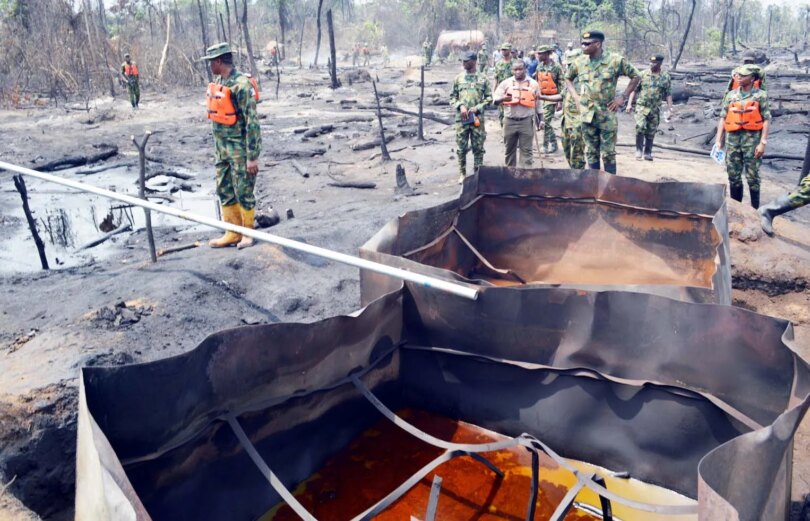
Despite the progress, challenges remain. Crude theft, pipeline outages and infrastructure bottlenecks continue to threaten production stability. Sustaining this recovery will depend on stronger security, reliable infrastructure and policy consistency as Nigeria seeks to maximise the benefits of rising domestic refining capacity.