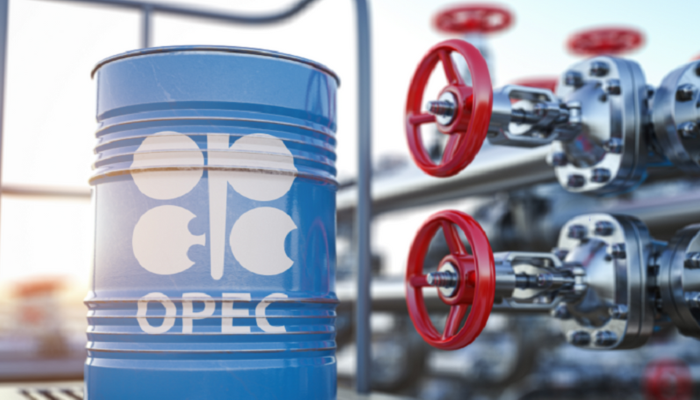
On April 28, 2026, the United Arab Emirates (UAE) announced its withdrawal from OPEC and OPEC+, effective May 1, 2026.
The UAE joined OPEC in 1967.
Now, nearly 60 years later, it is leaving.
The country seeks greater flexibility to boost production. Its vision focuses on adapting to global energy shifts and responding to disruptions from the Iran conflict, including strained access to the Strait of Hormuz.
This change is significant. The UAE is one of OPEC’s top producers, with recent output ranging from 2.9 to 3.4 million barrels a day. It has substantial spare capacity. Analysts estimate it could produce an additional 1–1.5 million barrels once freed from quotas.
The UAE aims to reach 5 million barrels daily by 2027. The departure weakens cartel unity and supply management. It signals a shift to national interest over group discipline.
Gulf states like the UAE and, potentially, Saudi Arabia—if it pursues a more assertive path—enjoy significant advantages.
They benefit from the world’s lowest production costs, vast financial reserves accumulated from decades of high oil income, advanced infrastructure, and a sophisticated global reach.
They can ramp up production swiftly and withstand lower prices for longer periods without immediate fiscal collapse.
The UAE’s exit is more than an economic shift; it is a strategic move. Amid geopolitical tensions and energy security concerns, the UAE seeks to maximise its influence and optimise revenue outside the constraints of collective action.
The UAE’s departure amid Iran-related energy shocks adds volatility to already turbulent oil markets. The risk of uncoordinated production in the medium term looms large—potentially bearish for prices and painful for quota-dependent producers such as Nigeria.
For Nigeria, Africa’s largest oil producer and a steadfast OPEC participant, the fallout is severe. If OPEC collapses, Nigeria faces significant losses.
Adding to the threat is Nigeria’s limited ability to respond flexibly. The country has historically struggled with tanker ownership and logistics for spot trading on the international market.
Although some progress has been made, including joint ventures involving NNPC Shipping with partners such as Stena Bulk and Caverton Marine, Nigeria still lacks a robust fleet of large crude tankers capable of efficiently capturing spot opportunities or optimising exports during volatile periods.
This logistical weakness worsens Nigeria’s position. Oil producers with strong trading and tanker capacity can capitalise on price swings, but Nigeria’s reliance on term contracts and intermediaries limits its flexibility and revenue potential. The UAE’s departure from OPEC exposes Nigeria’s vulnerabilities.
This is not an inevitable doom, but it demands decisive leadership. Nigeria should avoid being unprepared.
By acting swiftly on infrastructure, logistics—including tanker capacity—and cost reduction, alongside forging high-value strategic partnerships, NNPC and the government can mitigate risks and position the sector more competitively in a post-OPEC+ world of greater producer independence.
A reactive approach risks ceding market share permanently and worsening fiscal difficulties.
Key priorities include bringing in proven international operators with capital, technology, and global marketing expertise to boost efficiency, cut costs, and enhance export logistics. Other policy measures should include:
Partnerships can modernise operations, secure project funding, and bring essential commercial expertise in tankers and trading.
Nigeria must continue diversifying beyond crude in the long term. But for now, safeguarding oil revenues must take priority. Nigeria must pursue competitive strategies rather than simply hope for cartel unity.
The Gulf states have demonstrated the strategy: utilise capital, technology, and flexibility to maximise national advantage. To secure its oil economy after the UAE’s OPEC exit, Nigeria must act with purpose—reform, diversify, and strengthen its sector—or risk falling behind in a changed marketplace.