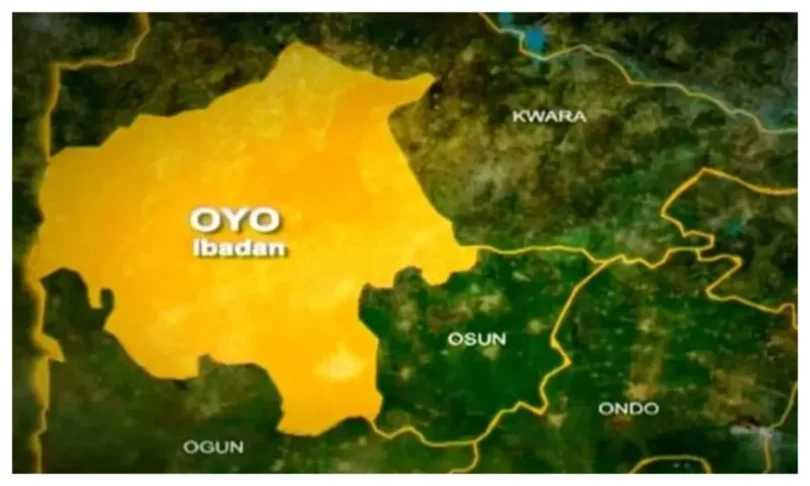
The Oyo State Government has begun strengthening measures to sustain its HIV/AIDS programmes as changing donor funding patterns and emerging financing gaps increase pressure on states to provide more domestic resources for the response.
The state’s commitment was reiterated at the third-quarter meeting of the HIV Resources Mobilisation Technical Working Group and Sustainability Plan Committee held in Ibadan.
Chairman of the Oyo State Agency for the Control of AIDS (OYSACA), Aare Gbola Adetunji, said the state was working towards developing reliable financing mechanisms for HIV prevention, testing, treatment, care and support.
According to him, the changing global health financing landscape and the transition from donor-supported interventions make it increasingly important for Oyo to strengthen local ownership of its HIV programmes.
Adetunji called for closer cooperation among government institutions, the 33 local government areas, development partners, non-governmental organisations, private-sector groups and other stakeholders to safeguard access to HIV services across the state.
He commended APIN Public Health Initiatives in Nigeria, the lead implementing partner, as well as other implementing organisations, civil society groups, faith-based organisations, government agencies and members of the technical working group for supporting the state’s HIV response.
The OYSACA chairman said the agency would continue engaging relevant institutions and partners to build a coordinated and financially resilient system capable of preserving the progress made in tackling HIV in the state.
Also speaking, the Chairman of the Oyo State Board of Internal Revenue, Mr Adebowale Awakan, represented by the Deputy Director, Barrister Mustapha Olagoke Ogunsola, highlighted taxation and social responsibility as important components of domestic resource mobilisation.
Ogunsola said integrating HIV interventions into existing government structures was essential, particularly at a time when available resources were limited.
He urged stakeholders to pool resources, coordinate their interventions and eliminate duplication, while exploring innovative funding models that could improve efficiency and ensure the long-term delivery of HIV services.
The meeting also provided a platform for stakeholders to evaluate the state’s progress during the third quarter of 2026, identify funding shortfalls and consider ways to expand and strengthen HIV interventions.
Participants subsequently renewed calls for greater domestic financing and collective action to maintain access to HIV prevention, testing, treatment, care and support services across Oyo State’s 33 local government areas.