
Scotland, Wales and Northern Ireland are set to intensify calls for greater constitutional autonomy, with their leaders expected to sign a joint declaration on independence referendums at a summit in Cardiff on Monday. According to The Telegraph UK, the unprecedented meeting will bring together Scottish First Minister John Swinney, Welsh……
Scotland, Wales and Northern Ireland are set to intensify calls for greater constitutional autonomy, with their leaders expected to sign a joint declaration on independence referendums at a summit in Cardiff on Monday.
According to The Telegraph UK, the unprecedented meeting will bring together Scottish First Minister John Swinney, Welsh First Minister Rhun ap Iowerth and Northern Ireland First Minister Michelle O’Neill, alongside Sinn Fein president Mary Lou McDonald.
The leaders are expected to use the summit at the St David’s Hotel overlooking Cardiff Bay to strengthen cooperation on constitutional issues and demand the right of their respective nations to determine their futures.
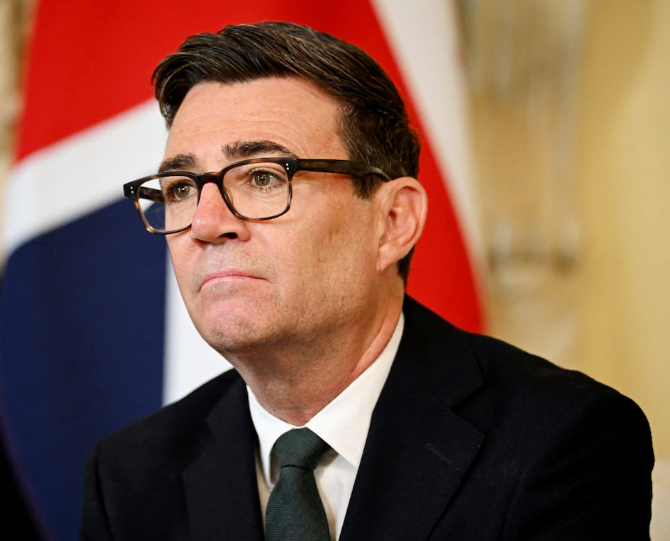
The meeting comes amid renewed pressure on UK Prime Minister Andy Burnham after he indicated that another Scottish independence referendum could be considered if there were a “clear consensus” in favour of one.
The summit also follows comments by US President Donald Trump during his visit to Dublin, where he said he would “love” to see a united Ireland and described Northern Ireland joining the Republic as “a great thing”.
The political developments come after pro-independence parties emerged as the dominant forces across all three devolved nations following recent elections.
Plaid Cymru became the largest party in the Welsh Senedd after May’s elections, with its leader, Rhun ap Iowerth, becoming First Minister. In Scotland, the Scottish National Party remains the dominant political force despite losing six Holyrood seats, while Sinn Fein continues to lead in Northern Ireland.
Read Also: Vinicius Double Fires Brazil Past Scotland, Secures Group C Top Spot
Swinney said the situation represented a major shift in the constitutional debate and argued that Westminster could no longer ignore demands for change.
“For the first time ever, Scotland, Wales and Northern Ireland are led by pro-independence first ministers. There could be no clearer sign that the status quo is not sustainable – and that Westminster must prepare for a post-UK future.
“The momentum behind serious constitutional change is undeniable. Andy Burnham must now be facing up to the idea that he will go down in history as the final prime minister of the United Kingdom.
“Tomorrow in Cardiff, I am looking forward to discussing a better future with partners from across these islands – and that only comes with the fresh start of independence.”
The Telegraph reported that the planned declaration would assert the right of Scotland, Wales and Northern Ireland to self-determination, while also increasing political pressure on Burnham’s government.
Burnham had told the House of Commons that the circumstances for a Scottish separation vote were “exactly the same situation in Scotland” as Northern Ireland.
Under the Good Friday Agreement, a referendum on Irish reunification can be held if it “appears likely” that a majority in Northern Ireland would vote to leave the United Kingdom.
The Cardiff summit is therefore expected to further fuel the debate over the future of the United Kingdom, with the participating leaders seeking a coordinated approach to constitutional change and independence.