
By: Abidemi Faith Adekola
It starts with a message that looks harmless.
“Free 10GB data.” “Your ATM card will be blocked.” “You have won a car.”
Behind the offer is a trap. In Nigeria’s digital age, scammers are no longer breaking into systems. They are breaking the trust.
A message promising free data, a phone call from a trusted organisation, or an online offer that looks too good to ignore can easily catch people off guard.
Behind many of these attractive offers are carefully planned scams designed to steal money, personal information, or access to private accounts.
A scam is a deceptive scheme where criminals trick people into giving up money, valuables, or sensitive information.
While scams have existed for decades, the rise of smartphones, social media, and online services has made it easier for fraudsters to reach more people.
Unlike ordinary spam, which is mostly unwanted advertising, scams are deliberate attempts to manipulate victims for personal gain.
Scammers do not hack computers first. They hack people. This is called Social engineering.
Read Also:28m Social Media accounts deactivated across major platforms in one year-NITDA
They pretend to be banks, CAC, NIN, EFCC, courier companies, or even your friend. Their goal is the same: get you to click, share, or send.
They use urgency and fear: Act now; your account will be closed, limited-time offer.
Scammers often use social engineering tactics, creating believable stories and pretending to be people or organisations that victims trust.
They may impersonate banks, government agencies, businesses, or even friends to convince people to reveal passwords, account details, or send money.
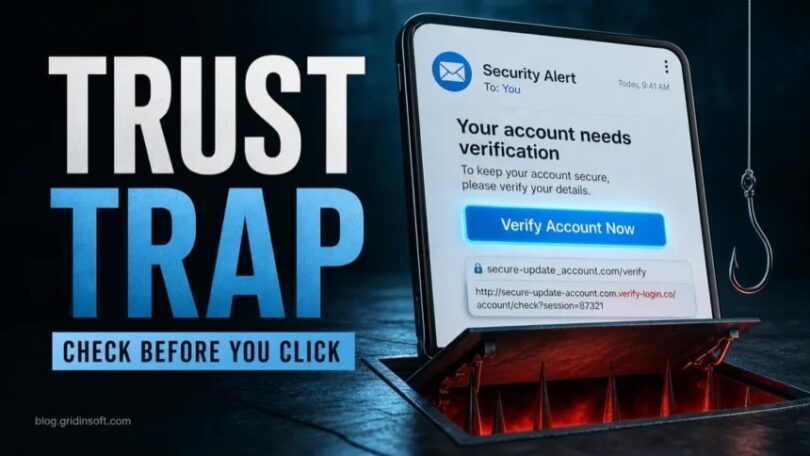
One of the most common forms of online fraud is phishing. This involves fake emails, text messages, or social media messages that appear genuine but are designed to steal personal information. Similar scams through text messages are known as smishing, while phone-based scams are called vishing.
Read Also:Media expert urges journalists not to sacrifice ethics for speed, trend, social media engagements
Other scams continue to grow as technology changes. Prize scams promise fake rewards and demand fees before victims can claim their winnings. SIM swap scams allow criminals to take control of a person’s phone number and receive security codes. Online shopping scams use fake deals to attract buyers before stealing their money.
Some scams target emotions rather than technology. Romance scams build fake relationships to gain trust before asking for financial help, while social media scams use fake profiles, charity appeals, and misleading posts to collect personal information.
Experts warn that scammers succeed because their messages often look real. They copy official logos, use urgent language, and create fear or excitement to pressure people into making quick decisions.
Read Also:Police arrest suspect who allegedly defrauded BUK students using fake ushers job scam
The best protection is awareness: verify suspicious messages, avoid unknown links, protect passwords, and never share private information with strangers.
As digital communication becomes part of everyday life, staying informed is one of the strongest ways to fight fraud.
Scammers may continue to change their methods, but careful and informed users can make it harder for them to succeed.