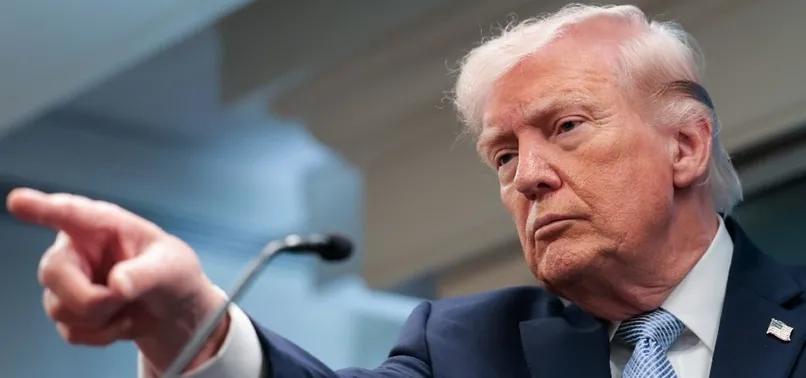
US President Donald Trump on Tuesday threatened to expand attacks on Iran’s civilian infrastructure, saying power plants and bridges would be targeted unless Tehran returned to the negotiating table.
Speaking in an interview with Fox News, Trump said the United States would strike Iran “very hard” over the coming nights and warned that power plants and bridges would be targeted next week unless Iran agreed to negotiate.
“They’ll continue until I say it’s enough,” Trump said when asked whether the strikes would continue.
Trump had made similar threats in April, when he warned that Iran’s bridges and power plants could be destroyed within hours in an effort to pressure Tehran into reopening the Strait of Hormuz, a vital route for global oil and liquefied natural gas trade.
The US military said on Tuesday it had launched a new wave of attacks on Iran and resumed a naval blockade of Iranian ports and coastal areas. The latest strikes were aimed at preventing Iranian attacks on commercial vessels in the Strait of Hormuz, according to Washington.
US Central Command (CENTCOM), which oversees military operations in the region, said the wave of attacks ended after seven hours. Dozens of military targets, including missile positions and air defence systems, near the Strait of Hormuz and in Iranian coastal areas were hit, it said. Similar attacks had been carried out on previous nights.
The US military has accused Iran of intentionally attacking seven commercial ships over the past week. Nearly a dozen crew members have been killed, injured or reported missing, it said.
Trump declared the ceasefire with Iran, which had been in place since April but had already been violated several times, over last week and announced further major attacks on the Islamic Republic.
The United States and Israel launched attacks against Iran on February 28. Washington and Tehran agreed on a framework agreement in mid-June aimed at ending the conflict and paving the way for broader negotiations, but the talks had already stalled before the latest escalation.