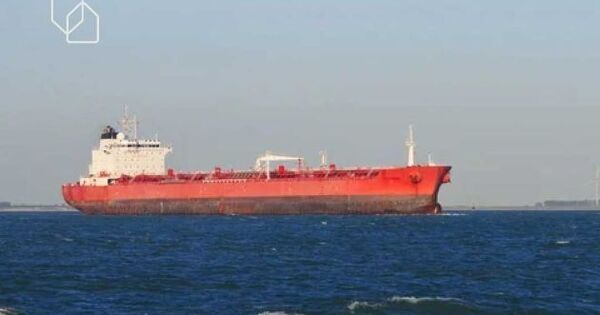
- Days after Secretary Scott Bessent ruled out waiving the pause on sanctions on Russian oil shipments, the U.S. Treasury Department gave it another 30-day extension.
- Iran has reversed its decision to reopen the Strait of Hormuz and has again imposed restrictions on the key waterway after the U.S. said this would not end its blockade.
- Iran’s joint military command said that control of the strait has returned to its previous state, with strict supervision by the armed forces.
WASHINGTON, D.C.: A few days after Secretary Scott Bessent ruled out extending the pause on sanctions on Russian oil shipments to ease shortages from the Iran war, the U.S. Treasury Department gave it another 30-day extension on April 17.
The “general license” means that U.S. sanctions will not apply for 30 days to shipments of Russian oil that were already loaded onto tankers by April 17. It extends a similar 30-day exemption announced in March for oil loaded by March 11. This move shows that the war in Iran has helped Russia earn more from its energy exports, which had been limited since the invasion of Ukraine.
On April 15, speaking at the White House, Bessent had said the license would not be extended, stating that the U.S. would not renew exemptions for Russian or Iranian oil. The administration has not yet explained why it changed its decision.
Meanwhile, Iran has reversed its decision to reopen the Strait of Hormuz and has again imposed restrictions on the key waterway after the U.S. said this would not end its blockade.
Iran’s joint military command said that control of the strait has returned to its previous state, with strict supervision by the armed forces. It warned that it will keep blocking ships from passing through the strait as long as the U.S. blockade of Iranian ports continues.
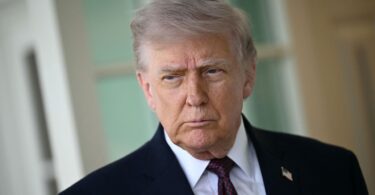
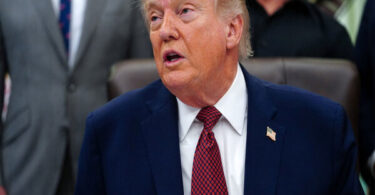
This announcement came a day after U.S. President Donald Trump said the U.S. blockade would stay fully in place until Iran agrees to a deal with Washington, including on its nuclear program.
In a related development, China’s Foreign Minister Wang Yi told Iran’s Foreign Minister Abbas Araghchi in a phone call that Iran’s sovereignty, security, and legal rights as a country bordering the Strait of Hormuz should be respected. At the same time, he stressed that free and safe movement through the strait must be maintained.
Wang Yi said that reopening the Strait of Hormuz is something the entire international community wants. He added that the situation has reached a crucial point between war and peace, but there is now a chance for peace to emerge.
Araghchi told Wang Yi that Iran is willing to keep working toward a practical and sensible solution through peaceful negotiations.