
ISLAMABAD/WASHINGTON/CAIRO/: Last-minute ceasefire talks between the U.S. and Iran appeared increasingly uncertain as the two-week truce neared its end on April 22.
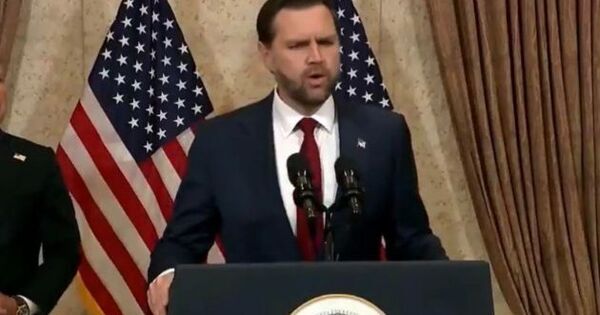
Iran had not yet decided whether to take part, a Foreign Ministry spokesperson said, while Vice President JD Vance was still in Washington till early afternoon, despite expectations that he would lead the U.S. delegation to Pakistan. Both sides warned they were ready to resume fighting if no agreement was reached.
Earlier, two regional officials told The Associated Press that the United States and Iran had indicated they would hold another round of ceasefire talks in Islamabad, as a weak two-week truce was about to end.
Mediators led by Pakistan were told that the main negotiators were expected to reach Islamabad early on April 22. The officials shared this information anonymously because they were not allowed to speak publicly.
The two-week truce was set to end on April 22, although there is some confusion about the exact timing.
An earlier round of talks, 10 days ago, did not lead to any agreement. Iran had earlier rejected the idea of another round this week after the U.S. refused to lift its blockade of Iranian ports and seized an Iranian cargo ship.
In a Bloomberg News interview on April 20, U.S. President Donald Trump appeared doubtful about reaching a deal, saying it was very unlikely he would extend the ceasefire.
Pakistan’s foreign minister met U.S. Chargé d’Affaires Natalie Baker on April 21 and urged the United States and Iran to extend the ceasefire and continue diplomatic efforts, according to the Foreign Ministry.
In a statement, it said Ishaq Dar stressed that dialogue and diplomacy are the only effective ways to resolve issues and ensure long-term peace and stability in the region.
Baker responded by expressing Washington’s appreciation for Pakistan’s constructive role in promoting regional peace and helping facilitate dialogue, the statement added.
In a related development, an Iranian official told Reuters on April 20 that Tehran was considering joining the talks but was waiting to see if its conditions would be accepted, including recognition of its right to enrich uranium.
Iran’s chief negotiator and parliament speaker, Mohammed Bagher Qalibaf, said in a post on X on April 21 that Iran would not negotiate under threats and was preparing to take new steps in the conflict.
A Pakistani source said Trump might attend the talks, either in person or virtually, if an agreement is reached.
Meanwhile, German Foreign Minister Johann Wadephul urged Iran to travel to Islamabad and participate in meaningful talks with the United States. He made the remarks during a European Union foreign ministers’ meeting in Luxembourg.
Since the war began, at least 3,375 people have been killed in Iran and more than 2,290 in Lebanon. In addition, 23 people have died in Israel and over a dozen in Gulf Arab countries. Fifteen Israeli soldiers have been killed in Lebanon, along with 13 U.S. service members across the region.