For decades, the European Union has sought to position itself as a unique geopolitical actor, combining economic strength with a coherent and unified foreign policy.
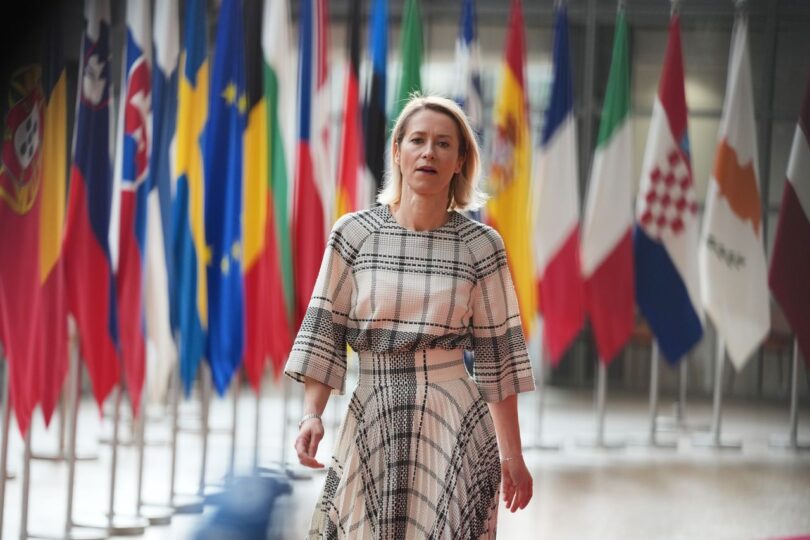
However, recent discussions in Brussels, Paris and Berlin about reducing EU foreign policy chief Kaja Kallas’s powers and shifting responsibilities indicate a deep crisis in the bloc’s foreign policy model.
The debate was sparked by proposals from France and Germany to overhaul the EU’s foreign policy architecture.
The future role of the EU’s diplomatic service—which operates a network of more than 140 delegations worldwide—has also come under scrutiny.
Related
Proponents of reform argue that the current structure is burdened by overlapping responsibilities and no longer reflects today’s geopolitical realities.
Critics, however, warn that such changes could further erode the bloc’s ability to speak with a single voice on foreign affairs.
More than a bureaucratic reshuffle, the debate reflects a deeper reassessment of the idea of “strategic unity”—a principle that has been central to European integration since the end of the Cold War.
The roots of this crisis have been building for years, but recent events have exposed them more clearly than ever.
The war in Ukraine, turmoil in the Middle East, intensifying US-China rivalry, energy insecurity and growing global competition have all highlighted the EU’s difficulty in responding swiftly and effectively as a unified political actor.
While the European Union formally maintains a common foreign and security policy, major decisions continue to be driven largely by its most influential member states, particularly France and Germany.
As a result, the current debate appears less like a technical reform effort and more like an acknowledgement of the structural limitations of the existing system.
At the heart of the problem lies a longstanding contradiction within the EU’s foreign policy framework. Brussels has sought to centralise diplomacy, strengthen common institutions and project a unified stance on international affairs.
Yet member states have never been fully prepared to relinquish control over foreign policy and security matters—especially larger powers with significant historical legacies, military capabilities and geopolitical ambitions.
France has long viewed itself as an independent global power with strategic interests extending well beyond Europe.
Germany, while traditionally more cautious in its foreign policy approach, has also sought to play a leading role in shaping the continent’s strategic direction.
As a result, the EU often finds itself constrained by the competing national priorities of its member states—a challenge that recent crises have only intensified.
The war in Ukraine has perhaps most clearly exposed the limits of a unified European foreign policy. Despite repeated declarations of solidarity, significant divisions emerged within the bloc over sanctions, military assistance, energy policy and the future of relations with Russia.
Poland and the Baltic states consistently advocated a harder line, while others favoured maintaining at least limited channels of dialogue with Moscow and adopting a more cautious approach to certain policy decisions.
Consequently, many of the most consequential strategic choices were shaped not by EU institutions themselves, but through coordination among leading member states and NATO under US leadership.
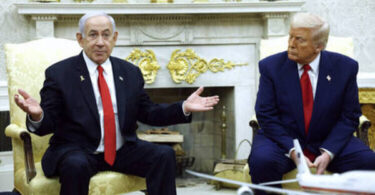
A similar pattern has emerged in the Middle East. The EU has struggled to formulate a coherent position on the Israel’s war on Gaza, with some member states offering unwavering support for Israel while others have called for stronger criticism of Israeli actions and greater protection of Palestinian rights.
As a result, Brussels often appears less like an independent foreign policy actor and more like a forum for managing internal disagreements.
It is against this backdrop that proposals to reform the EU’s foreign policy architecture should be understood. France and Germany are, in effect, seeking to align the system more closely with political realities.