Over 2 million students had to retake the high-stakes test after questions were allegedly sold. Reports linked it to student suicides and immense financial and emotional strain on families.
Broader grievances include repeated paper leaks, technical failures, and marking irregularities in exams like the Central Board of Secondary Education (CBSE), the largest of India’s multiple school boards. Students and families invest years and huge sums in coaching, only to face a system that is rigged or mismanaged. Protesters demand Education Minister Dharmendra Pradhan’s resignation and systemic reforms.
Related
Protests expand beyond student issues
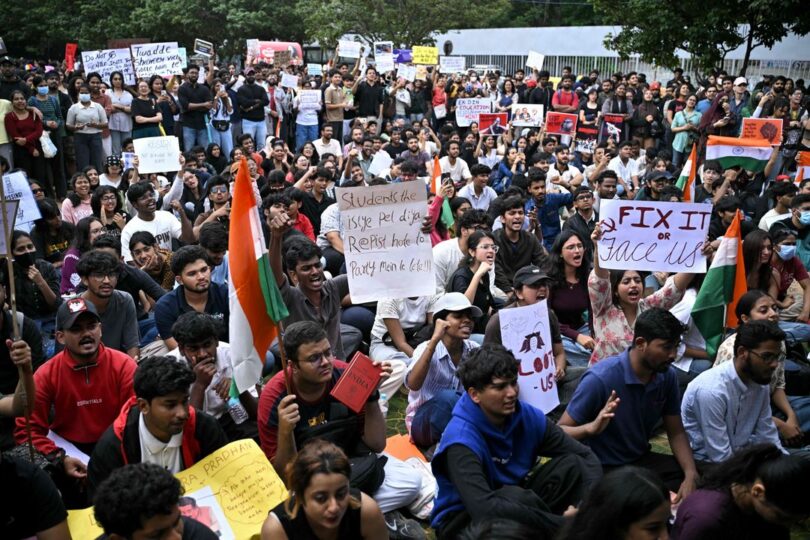
The New Delhi sit-in initially drew a few hundred daily protesters, but the turnout soon grew into the thousands. The movement gathered more momentum after prominent activist Sonam Wangchuk joined the demonstration and began a hunger strike that has lasted more than three weeks. Police forcibly transferred Wangchuk to a hospital over the weekend.
As the protests have grown, they have embodied broader frustrations over government accountability. Many protesters say they have lost trust in institutions including the education system, political leadership, the judiciary and the media.
The movement also has attracted professionals and families beyond the core student base. Supporters across India have ordered food online with directions to share the deliveries with anyone at the protest sites.
The movement’s appeal has widened partly because of the lack of a traditional political party structure. Organisers say volunteers and supporters fund their own travel to protests and rely on social media for mobilisation.
How has the government responded?
The government initially rejected demands for talks with protesters. Pradhan, the education minister, accused protesters of working against the country’s interests and said the government had resolved the crisis by ordering fresh examinations.
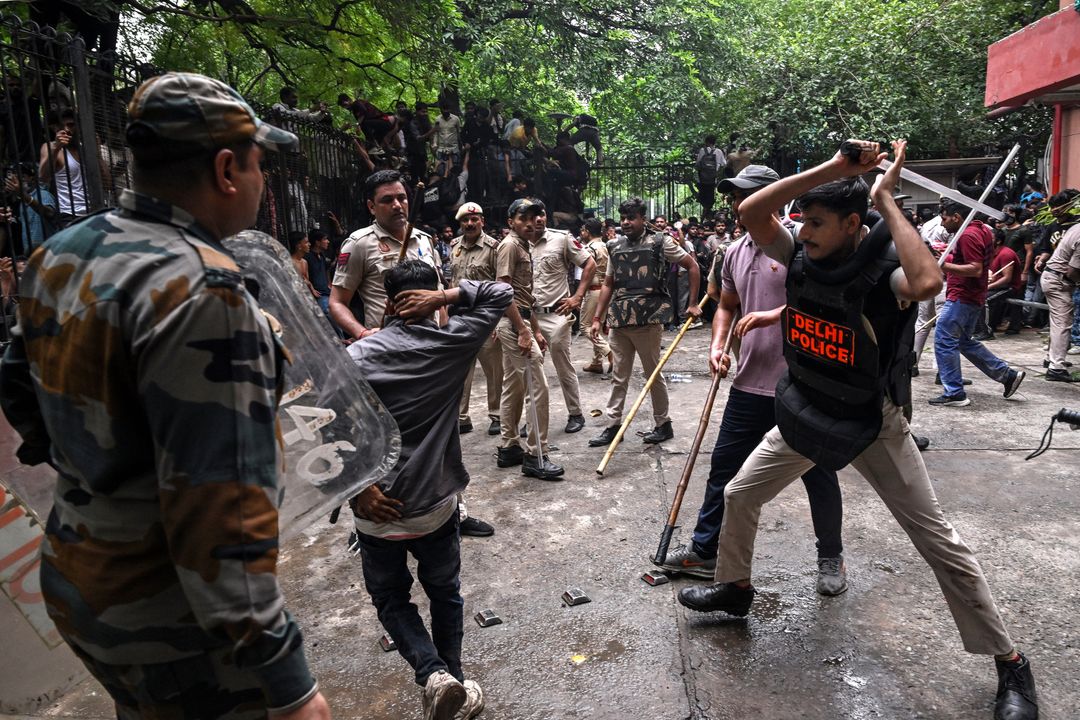
The official stance began to shift only after the movement escalated. Police used tear gas and batons after thousands of demonstrators on Monday tried to push through security barricades during their march to Parliament as lawmakers returned for the monsoon session.
The crackdown led to public anger. A government minister later met movement representatives in the first visible outreach, but the talks failed to ease tensions.
Pressure also mounted after opposition leader Rahul Gandhi staged a sit-in outside Modi’s residence on Tuesday, thrusting the Cockroaches to the centre of India’s political debate.
Under mounting pressure, Pradhan said the government was committed to “addressing every genuine concern of our youth” during the ongoing Parliament session but did not say whether he will resign, which remains a core demand of the protesters.
Related
Meanwhile, Modi said on Thursday the government has decided to set up fast-track courts to ensure swift punishment for culprits behind paper leaks as protests centred in the national capital spread to other cities.