The date was 28 February 2026, when Iran was first bombarded by the US and Israel. At that time, US President Trump, Israeli Prime Minister Netanyahu, and their generals and intelligence officials must have believed that the military might of the US and Israel would prove sufficient to destroy the Iranian leadership and push Tehran into a position where it would be unable to negotiate from a position of strength. Initially, it appeared that the plan was working as US and Israeli forces succeeded in eliminating Iranian Supreme Leader Ayatollah Ali Khamenei and several powerful generals of the Iranian armed forces. However, more than 100 days later, as Trump managed to sign a peace deal with Tehran, several experts are asking the same question: did the US and Israel end up strengthening Iran by attacking the Islamic Republic?
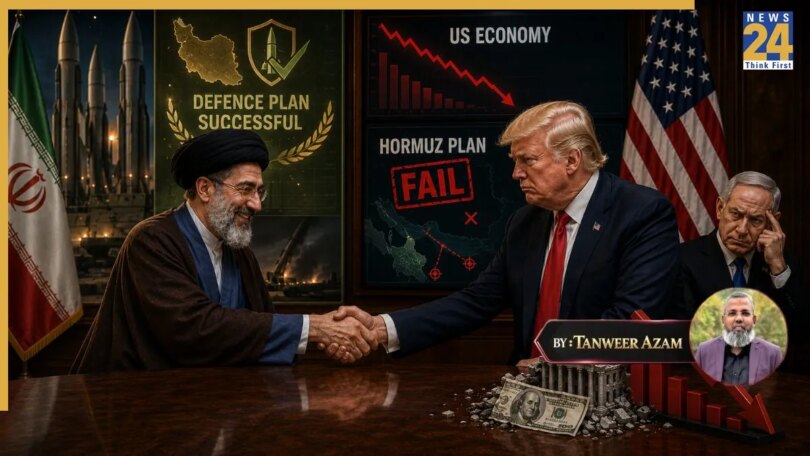
There is no denying the fact that Israel and the US succeeded in inflicting significant military losses on Iran. Tehran’s much-vaunted nuclear facilities at Natanz, Isfahan and Fordow suffered damage in carefully planned air strikes carried out by US and Israeli fighter jets. However, the peace deal announced on 15 June suggests that the US and Israel failed in their plan to bring Iran to its knees. Tehran appears to have emerged as the winner, as it not only withstood the combined military might of the US and Israel but also signed a deal which, according to analysts, could benefit the country in the long run. Observers claim that Iran finalised the deal with US President Trump, who repeatedly threatened Iran with complete obliteration, while remaining firm on its core positions. Some analysts believe that Tehran surprised everyone by forcing Trump to approve economic and diplomatic concessions that seemed unimaginable before the start of the war.
What Trump appears to offer Iran as part of the peace deal
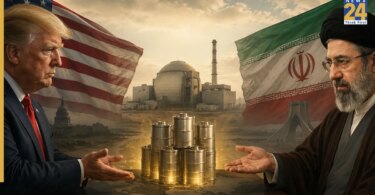
First things first, both the US and Iran are yet to release the full text of the agreement to the media. However, several reports claim that, as part of the peace deal reached between the two sides, Iran has agreed to reopen the Strait of Hormuz, while the US has agreed to end its naval blockade of Iranian ports. Additionally, Tehran is expected to receive relief from US economic sanctions, while the agreement could also unlock billions of dollars’ worth of Iranian assets currently frozen in banks across the world, including in the US.
The most critical part of the deal is that the US has reportedly agreed not to demand any immediate concessions on Iran’s nuclear programme and instead begin a negotiation process that will last for two months.
On the other hand, Tehran has agreed to place a temporary halt on its nuclear programme until both sides reach a conclusion through broader negotiations on this contentious issue. Interestingly, and this is where analysts believe Iran has emerged as the winner, discussions regarding Iran’s enriched uranium stockpile and the future of the country’s sophisticated nuclear infrastructure have been deferred. No clarity has been provided on either issue. This appears surprising because both the US and Israel had stated that the primary objective of attacking Iran was to destroy its nuclear facilities and prevent the country from developing nuclear weapons in the future.
What has the US achieved from the war?
Simply put, the US appears to have achieved little of significance from its military campaign against Iran, as the peace deal does not address issues such as Iran’s uranium stockpile or its ballistic missile programme, which Tehran used during the war to target Israel and other US allies in the Middle East. Some reports claim that issues such as Tehran’s support for proxy groups including Hezbollah, Hamas and the Houthis will be addressed at a later stage.
How Iran managed to extract its pound of flesh despite military losses
Iran surprised not only the US and Israel but the entire world by seizing control of the Strait of Hormuz and effectively holding global energy supplies hostage. Tehran leveraged its position in Hormuz to its advantage, as the waterway is used for the transportation of around 20% of the world’s oil and liquefied natural gas supplies. Iran used its armed forces to disrupt the movement of oil and LNG shipments through Hormuz, creating enormous pressure on the US and several other countries around the world, including India. It would not be wrong to say that, by taking full control of shipping movements in Hormuz, Iran discovered a new strategic weapon during the war.
Iran or the US: Who really emerged as the winner?
Without a doubt, Iran suffered heavy military losses and paid a significant price during the conflict. Political observers around the world, however, believe that in terms of political outcomes, Tehran has emerged as the winner.
As per the agreement reached between the US and Iran, Tehran still appears to hold the upper hand when it comes to its nuclear ambitions. The icing on the cake is that the Iranian leadership deserves credit for forcing Trump to agree to lift sanctions, a major victory that could significantly boost Iran’s economy. This is particularly important because Iran has been reeling under severe economic pressure for more than two decades due to Western sanctions.
It remains to be seen how Iran will use the agreement to its advantage, but it can be argued that Tehran has strengthened its position to a point where it is once again able to negotiate on its own terms. That appeared impossible at the start of the war, and that is where many analysts believe Iran has gained the upper hand over the US and Israel.
First published on: Jun 15, 2026 03:20 PM IST
Get Breaking News First and Latest Updates from India and around the world on News24. Follow News24 on Facebook, Twitter.
End of Article
Related Story