
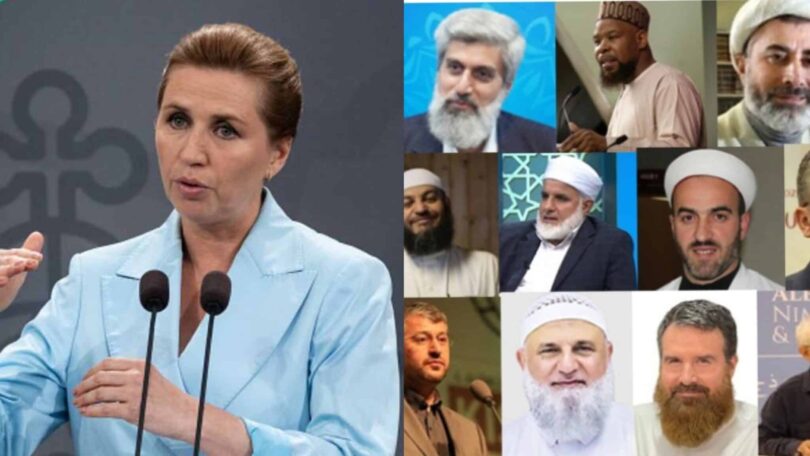
Seventeen African religious preachers have been barred from entering Denmark for two years after the government raised concerns about their conduct and its potential impact on public order.
The affected individuals include Ismail Menk, 31, and Hussein Abdelrazek Soliman Ahmed, 46, as well as 15 other religious figures.
The Danish Immigration Service published their names, photographs, nationalities and other personal details on the country’s national sanctions list.
Ban also covers Schengen countries
The restriction does not apply only to Denmark. Those listed are also prohibited from entering other countries within the Schengen Area during the two-year period.
Anyone who deliberately violates the restriction could be punished with a fine or up to three years in prison.
The same punishment may apply to anyone who assists an affected individual in illegally entering Denmark.
Government explains decision
Danish authorities said the sanctions are designed to protect public order and uphold the country’s laws and values.
However, the immigration authority did not provide specific reasons for placing each of the 17 preachers on the list.
Under Danish law, a foreign religious preacher can be sanctioned if their previous conduct creates reasonable grounds to believe they could threaten public order if allowed to enter and reside in the country.
The government explained that a sanction may be imposed where there is also a reasonable likelihood that the individual will attempt to enter Denmark.
Residence permit holders exempt
The Danish government noted that foreign nationals with valid Danish residence permits cannot be placed on the national sanctions list because of European Union free-movement rules.
The restriction therefore targets eligible foreign nationals considered to meet the conditions for inclusion on the list.
Affected individuals can appeal
Those affected by the decision are allowed to request a review of their cases through the Danish Immigration Service.
The authority can reconsider whether an individual should remain on the sanctions list.
Anyone seeking to challenge the decision must exercise their right of appeal within eight weeks.