The African Energy Chamber is taking an unconventional approach to energy advocacy with the launch of “Drill Baby Drill”, a South African wine brand designed to promote debate about energy access, resource development and Africa’s energy choices….
The African Energy Chamber is taking an unconventional approach to energy advocacy with the launch of “Drill Baby Drill”, a South African wine brand designed to promote debate about energy access, resource development and Africa’s energy choices.
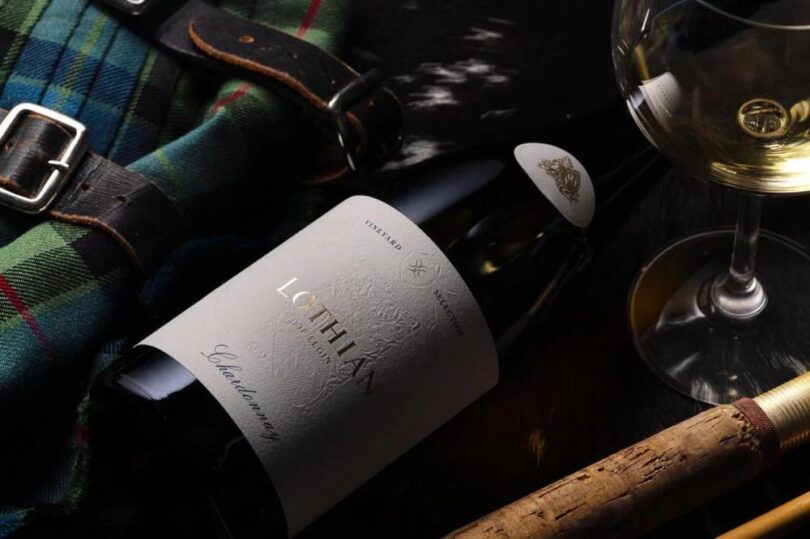
The product, featured in a promotional video with African Energy Chamber Executive Chairman, NJ Ayuk, includes Pinot Noir and Chardonnay associated with Lothian Vineyards in Elgin, South Africa.
Presented in polished settings featuring wine being poured, corks being opened and scenic South African landscapes, the product initially resembles a premium lifestyle brand.
Its packaging, however, carries a much stronger message.
The black-and-gold bottles feature the words “Drill Baby Drill”, alongside an African silhouette, oil-drop imagery and drilling symbols. The label also carries the message: “An initiative to make energy poverty history.”
The branding reflects the Chamber’s longstanding position that African countries should retain the right to develop their oil and gas resources alongside renewable energy where necessary to expand electricity supply, industrialise economies, create jobs and drive development.
Turning advocacy into a consumer product
The wine effectively transforms an energy-policy argument into a consumer product.
While policy reports, conferences and speeches often reach mainly industry stakeholders, a branded wine can travel into homes, restaurants, business gatherings and private events, potentially exposing a wider audience to the energy debate.
The provocative name is central to that strategy.
“Drill Baby Drill” is a phrase widely associated with support for increased oil and gas production. Its use in an African context is therefore likely to attract both support and criticism.
For supporters, it can represent energy sovereignty and the argument that African nations should determine how and when to develop their natural resources.
Critics, however, may interpret the slogan as a challenge to global efforts to reduce dependence on fossil fuels.
That tension appears to be part of the brand’s appeal, as the name is designed to provoke discussion rather than offer a neutral message.
Linking wine and energy
The association with Lothian Vineyards connects the project to Elgin, a South African region known for cool-climate wines.
South Africa is also an important location for the African Energy Chamber’s activities, including African Energy Week in Cape Town, which brings together governments, investors and energy companies from across the continent.
The wine therefore brings together two very different aspects of South Africa’s identity — its growing premium wine industry and its place in Africa’s wider energy debate.
More than a bottle?
The initiative reflects a broader evolution in policy communications, with organisations increasingly using lifestyle products and popular culture to make complex issues more accessible.
In the case of “Drill Baby Drill”, the wine can serve as a conversation starter at dinners, conferences and business events, while keeping energy poverty and resource development at the centre of discussions.
However, questions remain about the project’s wider impact.
The promotional material links the wine to the ambition of making energy poverty history, but does not specify whether proceeds from sales will fund particular energy-access projects or development programmes.
If sales generate funding for measurable energy initiatives, the project could acquire a social-impact dimension beyond advocacy and branding.
Otherwise, its principal value will be as a communications and visibility campaign.
Pricing, distribution, retail availability and the precise commercial relationship with Lothian Vineyards will also determine whether the product develops into a significant commercial venture.
For now, “Drill Baby Drill” has already succeeded in doing something unusual: putting Africa’s energy debate on a wine bottle and taking a complex policy argument into an entirely different setting.