By Adnan Mukhtar
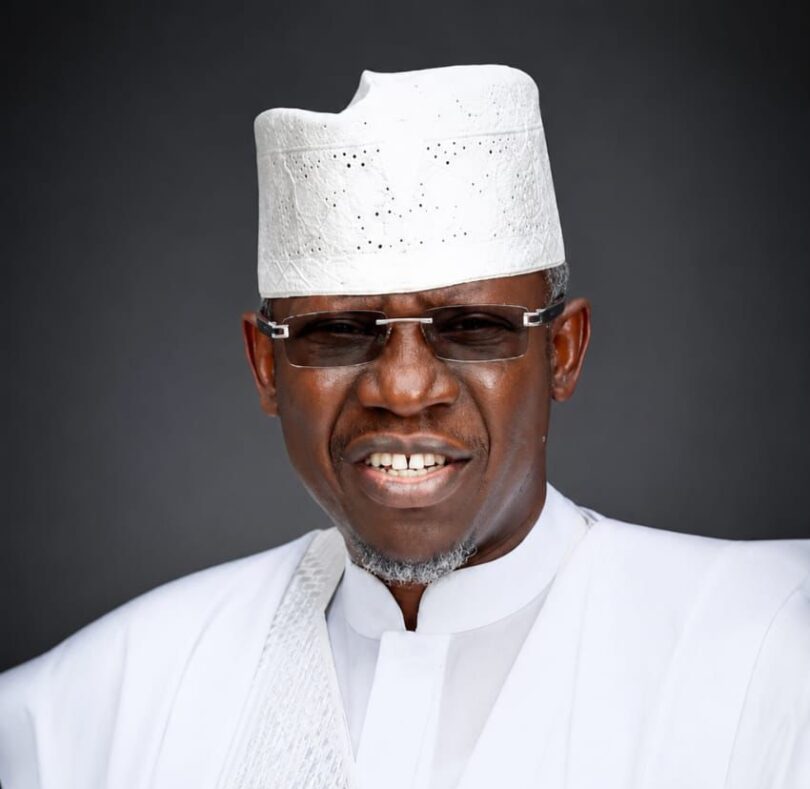
My recent article, “Ibrahim Little: The Man Fit for the Job,” opened the eyes of many young men and women, particularly those in the Gen Z category, to the personality and leadership qualities of Alhaji Ibrahim Ali Amin (Little) — a man of calibre and a true embodiment of competence for the enormous responsibility of leading Kano, the commercial hub of Northern Nigeria.
The search for a credible alternative in Kano’s political landscape began last year when my political mentor and principal decided to aspire for the governorship. Ibrahim Ali Amin Little is not a new name in Kano politics. Since the year 2000, he has remained a household name, respected for his consistency, vision, and commitment to public service.
He is involved in politics not for material gain but out of a genuine passion for investing in the lives of the people. As a successful businessman with a proven track record, he brings a perspective that has largely been missing from Kano’s leadership. Since 1999, most of Kano’s governors have emerged from the civil service sphere. Yet, despite Kano’s status as a commercial centre, the state has witnessed significant economic decline and underdevelopment due to the absence of a business-driven approach to governance.
Read Also:Ibrahim Little: The man fit for the job – Adnan Mukhtar
When I speak of an alternative, I mean an independent-minded individual who possesses a deep understanding of administration and economics. You cannot entrust Kano to someone who does not understand the economy.
Since 1999, governance in Kano has largely revolved around a single model — constructing roads and awarding contracts, many of which add little value to the overall development of the state. While infrastructure is important, governance goes beyond that.
True governance means prioritising education, employing competent teachers, and strengthening the healthcare sector through well-equipped primary healthcare centres staffed by qualified medical personnel, especially doctors. It means creating opportunities for young people, promoting industrialisation, and building a sustainable economy. These are the issues that should dominate public discourse. Unfortunately, where are we today in Kano regarding these critical sectors?
Among the aspirants seeking leadership positions, very few are discussing these issues in depth. Ibrahim Little remains one of the exceptions. As one of his closest aides, I can confidently say that his daily discussions are centred around solutions: How can we identify and nurture talent? How can Kano become an industrial hub once again? How can we establish an independent power plant for the state? How can we boost agricultural productivity and create jobs for our people?
These are the conversations that define his vision. His interest is Kano, not personal enrichment or access to state resources. His ambition is driven by the desire to reposition Kano for sustainable growth and prosperity.
At this moment, Ibrahim Little represents the alternative that Kano needs.
Mukhtar is a university lecturer and Executive Assistant to Ibrahim Little.