The Independent National Electoral Commission (INEC) has urged Nigerian editors to strengthen fact-checking and digital verification systems ahead of the 2027 general elections to tackle the growing threat of artificial intelligence-generated deepfakes and disinformation. INEC Chairman, Prof. Joash Amupitan, SAN, represented by the Enugu Resident Electoral Commissioner, Dr. Chukwuemeka Chukwu,……
The Independent National Electoral Commission (INEC) has urged Nigerian editors to strengthen fact-checking and digital verification systems ahead of the 2027 general elections to tackle the growing threat of artificial intelligence-generated deepfakes and disinformation.
INEC Chairman, Prof. Joash Amupitan, SAN, represented by the Enugu Resident Electoral Commissioner, Dr. Chukwuemeka Chukwu, gave the charge on Thursday at the 22nd All Nigeria Editors Conference (ANEC) in Enugu. The conference is focused on the role of the media in protecting democracy, with particular attention to AI-driven disinformation ahead of the 2027 elections.
Amupitan warned that generative AI, voice cloning and deepfake videos could be deployed to circulate fabricated election results, impersonate electoral officials and heighten tensions during the electoral process.
He urged media organisations to establish specialised fact-checking desks, deploy digital forensic tools and verify election results with INEC before publishing them.
The INEC chairman also cautioned news organisations against publishing or amplifying privately collated or unofficial election results, warning that premature declarations could create conflicting narratives and weaken public confidence in officially declared results.
He urged editors to place accuracy above the pressure to break news first, stressing that “in national elections, it is vastly more important to be right than to be first.”
Amupitan disclosed that INEC had established an Artificial Intelligence Division within its ICT Department and was deploying AI auditing tools in its Results Management process, with human oversight provided under the Commission’s AI Governance Framework.
Read Also: INEC Moves To Preserve Election Records, Lessons Ahead Of 2027
He said AI could be used responsibly to strengthen electoral processes, but stressed that technological systems must remain subject to human oversight and verification.
The INEC chairman also drew attention to the welfare of journalists, warning that poor remuneration and financial insecurity could expose media practitioners to political inducement and compromise their professional responsibilities.
He urged media owners to prioritise the economic wellbeing of journalists as part of efforts to strengthen the integrity of election reporting.
Meanwhile, President of the Nigerian Guild of Editors, Eze Anaba, stressed the responsibility of the media to hold those in power accountable and contribute to strengthening democratic institutions.
The Obi of Onitsha, Igwe Nnaemeka Alfred Achebe, called for the establishment of a joint rapid-response desk involving newsrooms to quickly counter election misinformation. He also urged the media to play a role in addressing voter apathy.
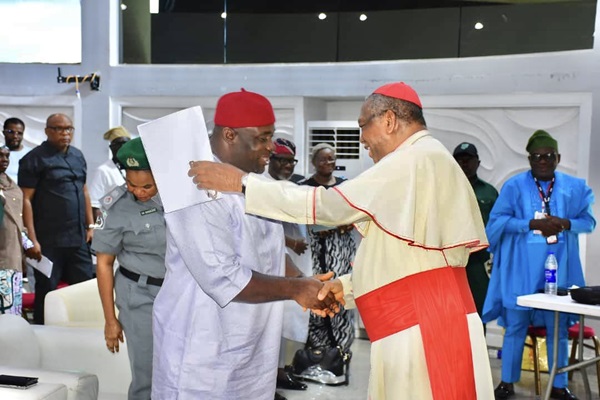
Archbishop Emeritus of Abuja, Cardinal John Onaiyekan, underscored the importance of a free press to democracy while acknowledging both the opportunities and dangers presented by artificial intelligence.
The conference, which began in Enugu on Thursday and continues on Friday, is themed “The Ballot, the Media and the Task of Keeping Democracy Alive,” with the sub-theme, “When Lies Look Real: Detecting and Debunking AI Disinformation Before, During and After Election.” More than 500 editors and other stakeholders are expected to participate.