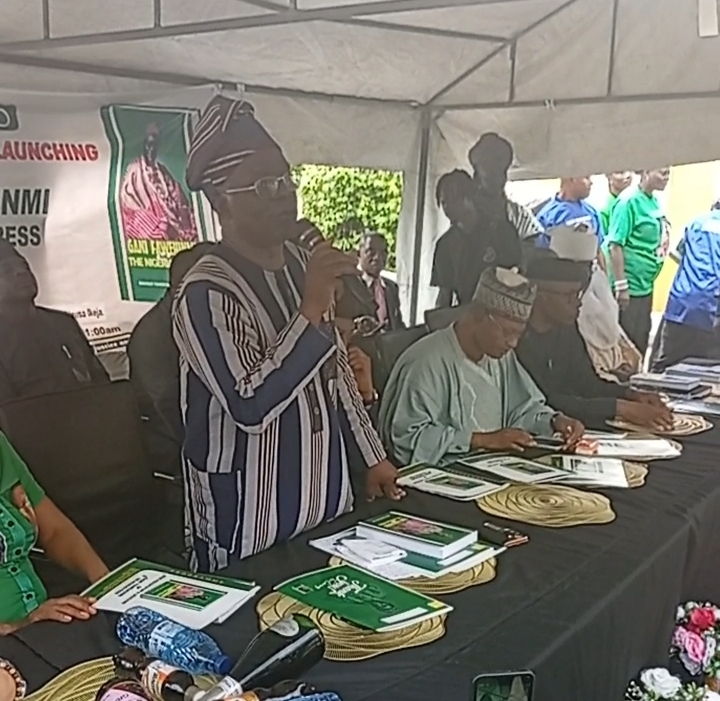
Nigeria’s democratic journey and the future of press freedom came under sharp focus in Lagos on Wednesday as prominent political leaders, legal minds, and civil rights advocates gathered to honour the enduring legacy of Gani Fawehinmi at a book launch in his memory.
The event, held at the Nigerian Law Publications House in Ikeja, marked the unveiling of Gani Fawehinmi and the Nigerian Press and quickly evolved beyond a tribute into a robust conversation about safeguarding civil liberties in contemporary Nigeria.
Among those who spoke was Kaduna State Governor Uba Sani, who reflected on Fawehinmi’s role during the country’s pro-democracy struggles.
He described the late activist as a man driven by fairness rather than identity, recalling how he extended scholarships to underprivileged Northern students without bias.
Sani also issued a stern warning against growing calls for military intervention in governance, arguing that such sentiments threaten Nigeria’s democratic gains and undermine free expression.
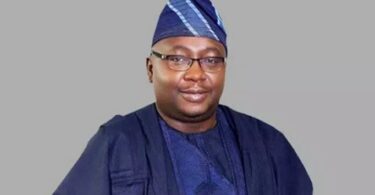
Former Ondo State Governor Olusegun Mimiko shifted attention to Fawehinmi’s ideological convictions, particularly his vision through the National Conscience Party.
According to him, Fawehinmi’s philosophy centred on eliminating poverty at its roots, rather than offering temporary relief measures.
He added that the late lawyer would have challenged prevailing narratives around economic reforms, insisting that governance failures remain Nigeria’s core issue.
Chairing the event, human rights lawyer Femi Falana praised the author for documenting Fawehinmi’s contributions, noting that his life continues to serve as a moral compass for justice and accountability.
While briefly injecting humour into discussions about Nigeria’s infrastructure challenges, Falana ultimately stressed the need for sustained courage among journalists and legal practitioners in defending the nation’s democracy.
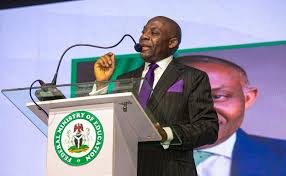
The conversation took a more critical turn during the keynote address by Professor Akin Ibidapo-Obe, who questioned the strength of Nigeria’s legal framework in protecting press freedom.
He argued that although the Constitution assigns watchdog responsibilities to the media, it fails to provide sufficient legal backing to make that role effective.
Highlighting gaps in Section 39 on freedom of expression, he noted the absence of explicit constitutional recognition for the press, describing it as a limitation that weakens media authority.
He also warned against the rise of politically influenced media ownership, cautioning that commercial and elite interests could erode journalistic independence.
Furthermore, Ibidapo-Obe referenced the assassination of Dele Giwa as a grim reminder of the dangers journalists face, describing it as one of the most extreme forms of censorship in Nigeria’s history.
Despite acknowledging progress such as the Freedom of Information Act, the professor maintained that deeper constitutional reforms are necessary to truly empower the press.
Ultimately, the gathering served not just as a celebration of Fawehinmi’s legacy, but as a renewed call to defend democratic values, strengthen institutions, and ensure that the fight for justice remains central to Nigeria’s national discourse.