
Pakistan is navigating a complex moment. While it positions itself as a key venue for diplomatic engagement in West Asia, the country is simultaneously grappling with a worsening electricity crisis that is affecting daily life.
Reports suggest that another round of talks between the United States and Iran could take place in Pakistan this week, highlighting its growing role in regional diplomacy. However, this international focus contrasts sharply with the situation on the ground, where citizens continue to endure prolonged power outages.
Widespread Power Cuts Frustrate Citizens
Despite government assurances that electricity cuts would not exceed two to three hours, many areas experienced significantly longer outages over the past week. During peak hours, the country faced a shortfall of around 4,500 megawatts, leaving homes and businesses struggling.
Officials attribute part of the crisis to a shortage of liquefied natural gas (LNG) supplies from Gulf nations. Pakistan requires at least four LNG shipments to keep its gas-based power plants operational, but insufficient supply has disrupted electricity generation.
Multiple Factors Behind the Crisis
The situation has been further aggravated by reduced hydropower output. Typically, 25 to 30 percent of Pakistan’s electricity comes from hydropower. This year, however, lower water availability has significantly cut production.
Authorities noted that the Indus River System Authority did not release enough water from reservoirs, as irrigation needs were prioritized by provinces. This decision, while necessary for agriculture, has intensified the power shortage and highlighted coordination gaps between institutions.
Diplomatic Push Gains Momentum
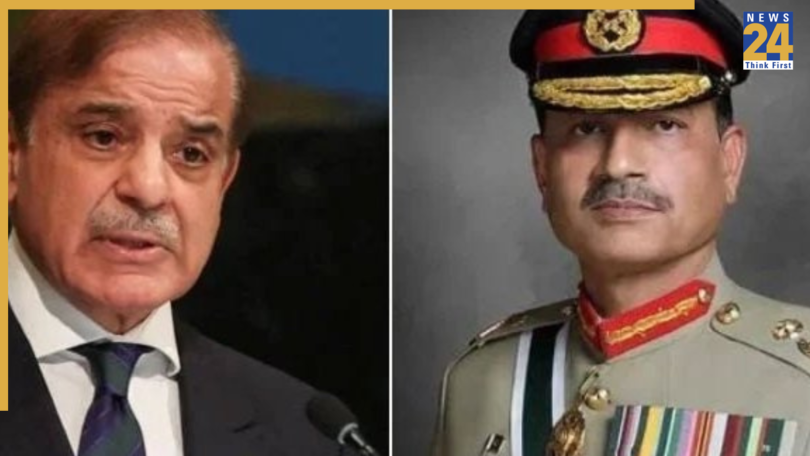
Amid these domestic challenges, Pakistan has stepped up its diplomatic outreach. Army Chief Asim Munir recently concluded a three-day visit to Tehran, focusing on strengthening ties with Iran.
At the same time, Prime Minister Shehbaz Sharif traveled to Qatar and Saudi Arabia, where his meeting with Crown Prince Mohammed bin Salman drew attention. There are also indications from US President Donald Trump that he may visit Islamabad if a deal materializes, though no confirmation has been made.
A Nation Between Opportunity and Strain
Pakistan has long presented itself as a bridge connecting South Asia, the Arab world, and the West. It continues to pursue that role. Yet, mounting inflation and persistent power shortages are testing public patience. As expectations rise, many are watching closely to see whether the government can bring stability at home while maintaining its diplomatic momentum abroad.