The Super Eagles will begin their campaign for a place at the 2027 Africa Cup of Nations with two crucial Group L fixtures against Madagascar and Guinea-Bissau in September, as Nigeria seeks to rebuild after a difficult period on and off the pitch. The Nigeria Football Federation (NFF) has released……
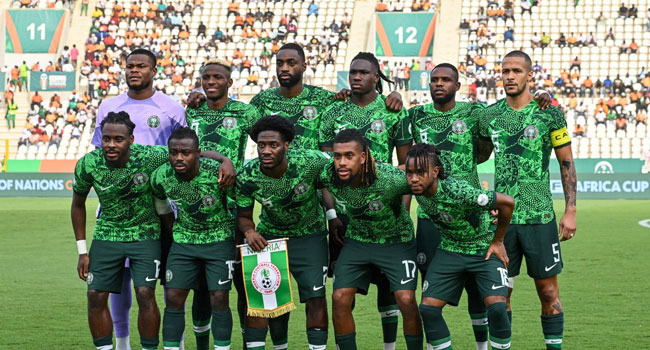
The Super Eagles will begin their campaign for a place at the 2027 Africa Cup of Nations with two crucial Group L fixtures against Madagascar and Guinea-Bissau in September, as Nigeria seeks to rebuild after a difficult period on and off the pitch.
The Nigeria Football Federation (NFF) has released the September fixtures, with Nigeria scheduled to host Madagascar on September 23 before travelling to face Guinea-Bissau on September 27. The two matches represent the first major competitive test for the Super Eagles since Nigeria’s failure to qualify for the 2026 FIFA World Cup.
Nigeria’s World Cup disappointment was particularly painful because the Super Eagles had already struggled through the qualifying campaign before reaching the African playoff stage. Their hopes of reaching the expanded 2026 tournament were finally ended by the Democratic Republic of Congo, who defeated Nigeria on penalties after a 1-1 draw in the playoff final in November 2025. The defeat meant Nigeria would miss the World Cup for a second consecutive edition, having also failed to qualify for Qatar 2022.
The Super Eagles did, however, provide some encouragement at the 2025 Africa Cup of Nations in Morocco, where they reached the semi-finals before losing to the hosts on penalties. Nigeria subsequently secured third place by defeating Egypt 4-2 on penalties following another goalless draw. It was the ninth time Nigeria had finished third at the AFCON, underlining the team’s ability to remain competitive while also highlighting the gap between occasional strong tournament performances and sustained success.
The upcoming qualifiers therefore arrive at a significant moment for Nigerian football. The NFF has undergone a major leadership shake-up following the resignation of president Ibrahim Musa Gusau, General Secretary Mohammed Sanusi and members of the executive committee on August 27. The departures came amid mounting criticism over the performances of the national teams, particularly after the Super Eagles missed the World Cup and the Super Falcons failed to qualify for the 2027 Women’s World Cup for the first time since the tournament began in 1991.
The leadership changes are coming shortly before the NFF’s elective congress, scheduled for September 27 in Lafia, meaning the federation is entering a period of transition at the same time the Super Eagles are beginning another important qualification campaign. Earlier in the year, the NFF had also approved proposed amendments to its governance framework as part of efforts to modernise its administration and improve transparency, accountability and efficiency.
Nigeria’s Group L opponents also offer little room for complacency. The Super Eagles will face Madagascar, Guinea-Bissau and Tanzania in the qualifying group. Nigeria have recent competitive history against all three: they defeated Madagascar home and away in the qualifiers for the 2012 AFCON, while Guinea-Bissau caused a major upset by beating Nigeria in Abuja during the 2023 AFCON qualifying campaign before the Super Eagles won the return fixture in Bissau.
For Nigeria, the September fixtures are consequently about more than simply collecting points. They provide the Super Eagles with an opportunity to restore confidence, begin a new qualification cycle strongly and give supporters something to believe in after the disappointment of missing the World Cup. With changes taking place within the NFF and renewed scrutiny on the national team, victories against Madagascar and Guinea-Bissau would offer an important early indication of whether Nigerian football can turn its latest period of crisis into a genuine rebuilding process.